


 Insights
Smart agriculture and sustainable growth
An introduction to ideas and opportunities in our business sectors.
♥ 0◉ 0
Read article Why soil condition, water access and farm scale matter in food production planning.
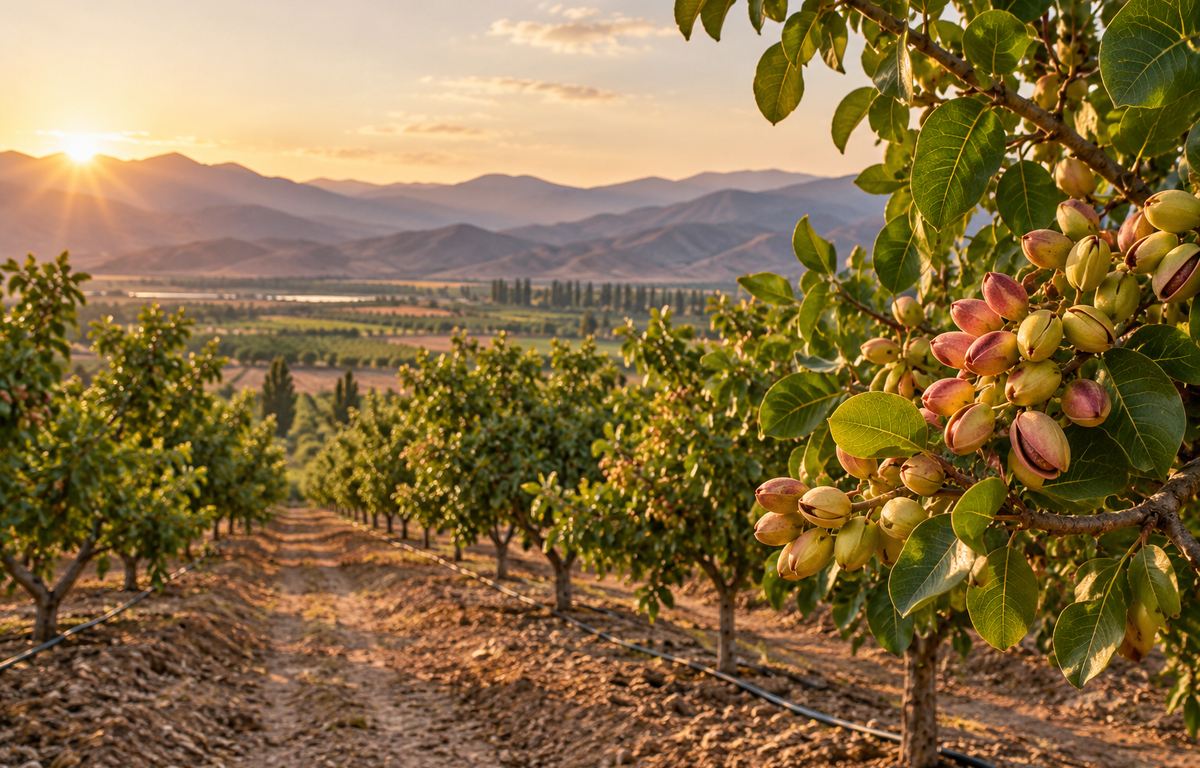
FAO’s State of Food and Agriculture 2025 examines land degradation, crop yield gaps and differences across holding sizes. It reinforces that land management measures must respond to local conditions instead of following a single universal recipe.
Combine soil and water testing with observations of slope, vegetation and cropping history. More inputs cannot compensate for every underlying productivity limit.
Assess erosion control, irrigation management and cropping choices using site evidence. Agree measurable indicators and revisit them across growing seasons.
Sustainable production requires economic viability alongside soil and water stewardship.
FAO’s 2025 State of Food and Agriculture examines land degradation and yield gaps but does not prescribe one intervention for every landscape. Local choices require soil tests, cropping history, water quality, slope and land-use constraints.
Compare a trial area with a reasonable baseline over more than one season, tracking soil cover, soil condition and crop outcomes. A one-off yield change is not evidence of long-term sustainability.
Share a relevant question or experience.
InsightsAn introduction to ideas and opportunities in our business sectors.
 Insights
An introduction to ideas and opportunities in our business sectors.
 Insights
An introduction to ideas and opportunities in our business sectors.
No comments yet. Share your thoughts.